
Do Rain Shower Heads Use More Water?
rain shower heads are often associated with a “spa-like” experience, so many buyers assume they automatically use more water than standard shower heads. In reality, a rain shower head does not always use more water. Water use depends on the flow rate rating, local regulations, and the internal flow-control design, not only on the shower head’s diameter. A larger face can spread water across more nozzles and feel fuller, but the total volume can still be limited to a standard flow rate.
This article explains what actually determines water usage, how rain shower heads compare with standard shower heads, what to check before buying, and how to choose a rain shower that feels premium without wasting water. You can explore DELICA options here: rain shower.
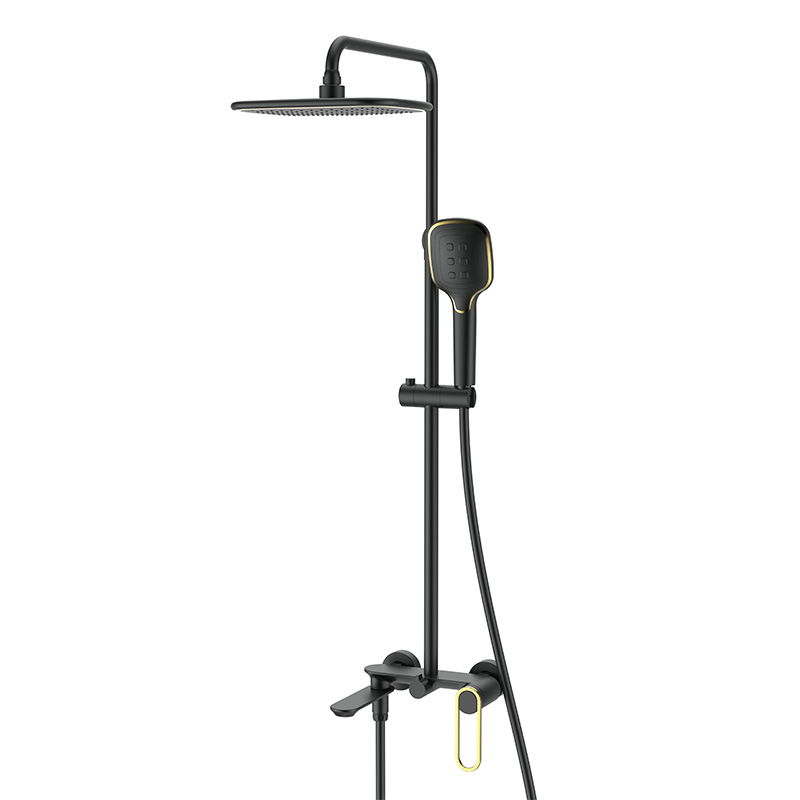
What Determines How Much Water a Shower Head Uses
A shower head’s water consumption is mainly controlled by its flow rate, usually measured in gallons per minute or liters per minute. The shower head may look large, but if it has a flow restrictor and is designed to meet common market limits, it will not exceed that rating under standard water pressure.
Flow rate is affected by three practical factors. Water pressure at your home or building determines how close the head gets to its rated flow. The internal waterway and restrictor design determines how much water can pass at that pressure. The spray outlet design determines how the water is distributed and how strong it feels on the skin.
For buyers, the most important point is that “bigger spray face” is not the same as “higher total water volume.”
Does a Larger Rain Head Automatically Mean Higher Water Use?
Not automatically. A rain shower head typically has a larger surface area and more nozzles, which changes how water is delivered. Instead of producing a narrow, concentrated stream, it spreads water into a wider pattern. That wider pattern can feel like more water because more of your body is covered at once, even if the total flow rate is the same as a smaller head.
However, some rain heads can use more water when they are designed for high-flow performance, especially in markets or settings where flow restrictions are less strict. In these cases, higher flow is not caused by size alone but by the internal flow design and the absence of a limiting restrictor.
Rain Shower vs Standard Shower: What You Notice in Real Use
A standard shower head often feels stronger at a similar flow rate because it concentrates water into fewer outlets and higher velocity jets. A rain head spreads flow across many nozzles, which can feel softer. Some users respond by showering longer to reach the same rinse feeling, which can increase total water use even when the rated flow is not higher.
This is why the real-world answer can depend on user habits. If you choose a rain shower that provides stable coverage and good rinsing comfort at your local pressure, you are less likely to extend shower time.
Water Usage Comparison Table
The table below explains what commonly drives water usage differences, using practical decision points rather than assumptions about size.
| Factor | Standard Shower Head | Rain Shower Head |
|---|---|---|
| Spray coverage | Narrow to medium | Wide, full-body coverage |
| Perceived pressure | Often feels stronger | Often feels softer at same flow |
| Flow rate dependence | Controlled by restrictor and pressure | Controlled by restrictor and pressure |
| Typical user behavior risk | Short rinse time | Longer rinse time if spray feels too soft |
| Best way to keep water use controlled | Choose correct flow rating and spray type | Choose correct flow rating and coverage with stable rinse comfort |
A rain shower head is not automatically higher consumption, but it must match your pressure conditions and user expectations to avoid longer shower times.
How to Check If a Rain Shower Head Will Use More Water
The most reliable check is the flow rate specification that applies to your market. Many regions have common flow limits for residential shower heads, and compliant products are designed to stay within those limits.
When evaluating a rain shower head, look for:
A stated flow rate and whether it aligns with your local market requirements
A design that maintains stable spray coverage at normal household pressure
Nozzle and outlet structure that supports even distribution rather than weak edge flow
A pressure-friendly internal channel design that avoids unstable spray patterns
If flow rate information is not clear, it is harder to predict water consumption accurately. For project buyers and distributors, confirming the flow rating and compliance positioning is part of responsible sourcing.
Will a Rain Shower Save Water or Increase Water Bills?
A rain shower can be water-efficient when it provides strong coverage and comfortable rinsing at a standard flow rate. If the user finishes faster because the spray covers the body evenly, total water use can stay controlled.
A rain shower can increase water bills when the spray feels too soft and users extend shower duration. The solution is not to avoid rain showers, but to choose a rain shower that matches real pressure conditions and delivers a confident rinse without requiring extra time.
In many homes, optimizing water use is less about the head type and more about choosing the correct rated flow and avoiding an installation that reduces pressure, such as undersized piping or a partially blocked valve.
How to Choose a Rain Shower That Feels Premium Without Wasting Water
A well-designed rain shower focuses on stable distribution, consistent spray across the face, and a balanced sensation that feels comfortable without being weak. These characteristics matter more than extra flow.
Important selection points include spray uniformity, clog-resistant nozzle design for easier maintenance, and stable build quality that keeps the head aligned and leak-free after long-term use. For multi-outlet systems, a well-matched valve and diverter design also helps keep performance consistent.
To explore rain shower configurations designed for modern bathroom projects and daily home use, visit DELICA’s rain shower collection.
Installation and Pressure Factors That Affect Water Use
Even a well-rated shower head can behave poorly if installation conditions are not correct. Low pressure can make a rain head feel too soft, leading to longer showers. Hidden restrictions such as partially open shutoff valves, clogged screens, or narrow supply lines can reduce performance.
If you are upgrading from a standard shower head to a rain shower, the most important installation goal is stable flow and even spray distribution. When the user experience is stable, shower duration stays predictable, and water consumption remains controlled.
Conclusion
Rain shower heads do not automatically use more water. Water use is primarily controlled by flow rate rating, water pressure, and internal flow restriction design. A rain head’s larger face mainly changes how water is distributed across the body, which can feel fuller even at standard flow. The most common reason rain showers increase total water use is not higher flow, but longer shower time when the spray feels too soft under local pressure.
If you want a rain shower that delivers wide, even coverage with controlled water use, choose a model with a clear flow rating and stable spray performance, and review options in the rain shower range.